❋
Acupuncture for Hay Fever Adelaide | Essential Acupuncture Clinic
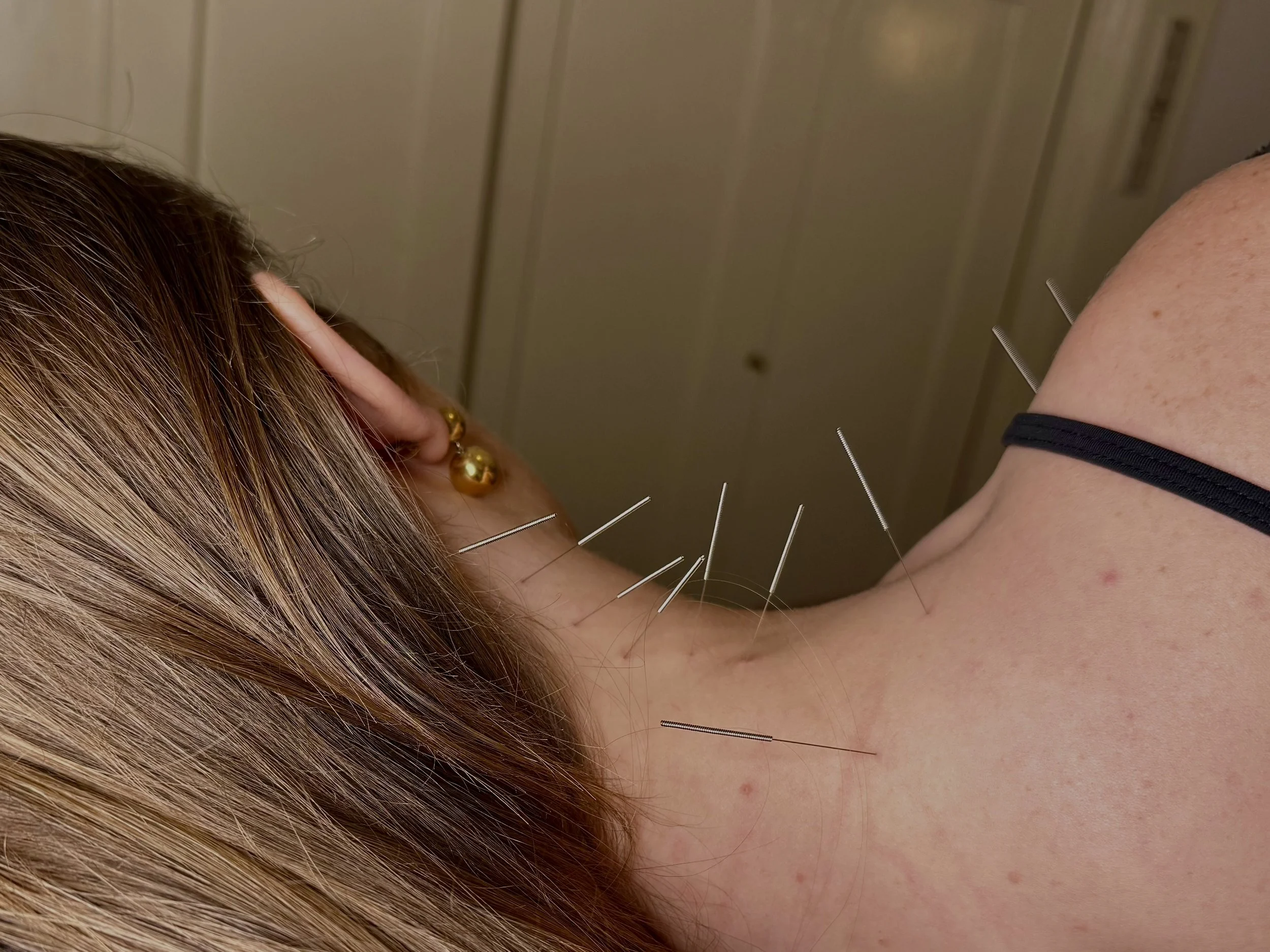
Acupuncture for Hay Fever and Allergic Rhinitis in Adelaide
Hay fever, also called allergic rhinitis, can cause sneezing, a runny or blocked nose, itchy or watery eyes, an itchy throat and fatigue. For some people it is seasonal and flares during Adelaide's grass pollen season. For others, symptoms continue throughout the year because of triggers such as dust mites, animal dander or mould.
Acupuncture may be considered as a complementary option for people who want additional support with allergic rhinitis symptoms. Clinical trials have reported improvements in nasal symptoms, quality of life and medication use, but the size of benefit varies and the evidence does not show that acupuncture cures hay fever. It should sit alongside appropriate medical care rather than replace it.
What hay fever is
Allergic rhinitis is an IgE-mediated allergic response in the lining of the nose after exposure to an airborne allergen. Common triggers include grass, tree and weed pollens, house dust mites, mould spores and animal dander. The same allergic process may also affect the eyes, causing redness, itching and watering.[1]
Common symptoms include:
repeated sneezing and an itchy nose
clear nasal discharge or a blocked nose
itchy, watery or red eyes
itching in the throat, ears or roof of the mouth
poor sleep, tiredness, headaches or difficulty concentrating
Symptoms are not always caused by allergy. Recurrent infection, non-allergic rhinitis, sinus disease and medication effects can produce similar problems. Medical assessment is important when the diagnosis is uncertain, symptoms are severe, or usual treatment is not working.
Research into the mechanisms of acupuncture is continuing, and individual responses to treatment vary.

How acupuncture may be relevant
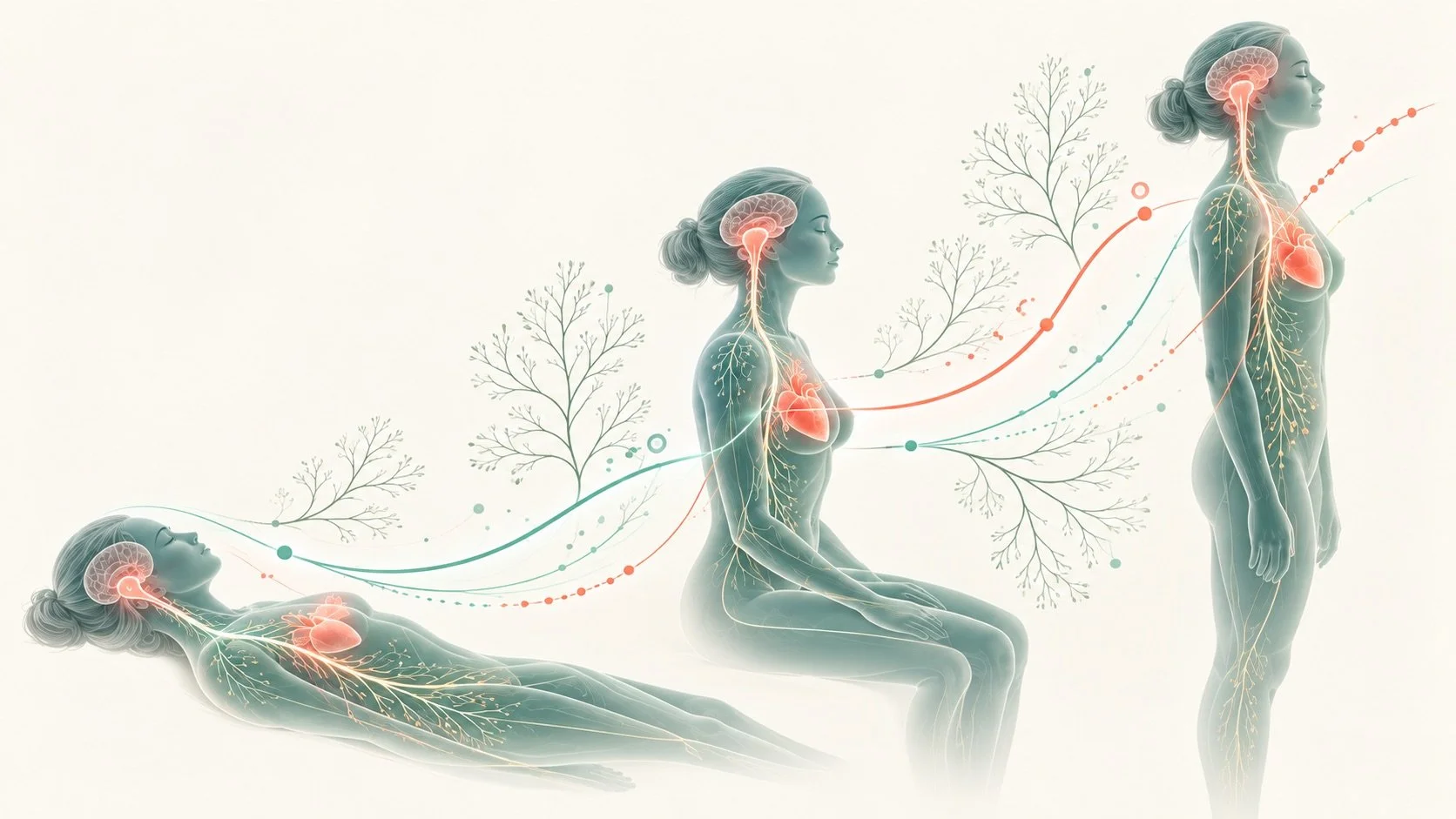
Acupuncture stimulates sensory nerves in the skin and underlying tissues. Researchers have investigated whether this stimulation can influence neural and immune signalling involved in nasal inflammation and symptom perception. These mechanisms remain under study. Current research does not establish that acupuncture reliably lowers IgE or permanently removes an allergy.
The clinically important question is whether a person experiences meaningful changes in symptoms, sleep, daily function or reliance on rescue medication. These outcomes have been measured in several randomised trials.
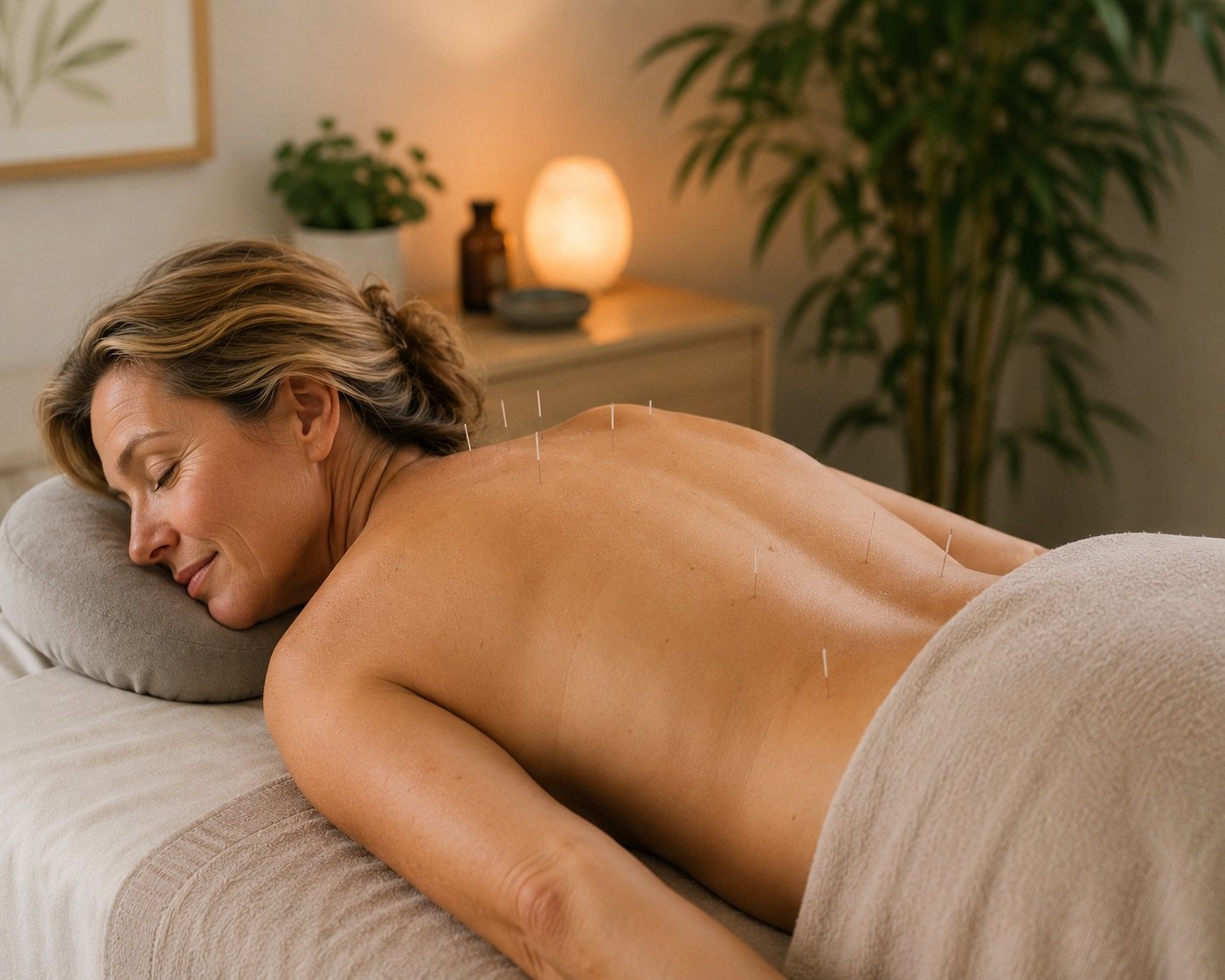
What clinical trials have found
Seasonal allergic rhinitis
A German multicentre trial included 422 people with seasonal allergic rhinitis. Participants received acupuncture plus cetirizine as needed, sham acupuncture plus cetirizine, or cetirizine alone. Twelve treatments were given over eight weeks. Acupuncture produced statistically significant improvements in rhinitis-related quality of life and rescue medication scores compared with both control groups. The authors also cautioned that the average differences might not be large enough to be clinically important for every patient.[3]
A Melbourne trial involving 175 people allergic to ryegrass pollen compared 12 sessions of real and sham acupuncture over four weeks. Real acupuncture produced modest improvements in sneezing, itching of the ears and palate, and quality of life. It did not demonstrate the same degree of improvement across every symptom measured.[4]
Persistent allergic rhinitis
A multicentre trial in China and Korea randomised 238 people to active acupuncture, sham acupuncture or a waiting-list group. After four weeks, active acupuncture produced a greater reduction in total nasal symptom scores than either comparison group. Both the active and sham acupuncture groups improved from baseline, which illustrates the difficulty of separating specific needling effects from other treatment effects in acupuncture research.[5]
An Australian sham-controlled trial involving 80 people with persistent allergic rhinitis found a greater reduction in total nasal symptom scores after eight weeks of real acupuncture. The study was relatively small, and fewer participants completed the 12-week follow-up, so the findings should be interpreted with care.[6]
What Does Scientific Research Say?
A 2019 pragmatic randomised trial involving 70 women reported that a short course of standardised acupuncture was associated with reductions in several moderate-to-severe menopausal symptoms compared with delayed treatment.
A 2026 systematic review examining 158 studies of complementary therapies found promising results for several approaches, including acupuncture and Chinese herbal medicine. The review found moderate-certainty evidence suggesting possible benefits from Chinese herbal medicine for some overall menopausal symptoms and sleep outcomes, and from acupuncture combined with Chinese herbal medicine for sleep.

How to interpret the evidence
The research suggests that acupuncture may help some people manage allergic rhinitis symptoms, but it does not support guaranteed results. Trials differ in their acupuncture methods, treatment frequency, control procedures and outcome measures. Sham acupuncture can also create physiological or contextual effects, making these studies difficult to interpret.
The 2023 International Consensus Statement on Allergy and Rhinology lists acupuncture as an option for allergic rhinitis. It reports generally supportive evidence for symptom and quality-of-life improvement while noting minor needling-related adverse effects and the practical burden of repeated treatment.[2] This places acupuncture as a reasonable complementary choice for an interested patient, not as a replacement for established first-line care.

Exercise, Reflect & Heal
with Acupuncture and Lifestyle
What treatment involves at Essential Acupuncture Clinic
At Essential Acupuncture Clinic, Julie begins with a consultation covering the timing and severity of symptoms, likely triggers, sleep, asthma or wheezing, current medication and previous treatment. Acupuncture points are selected according to the person's symptom pattern and overall presentation. Points around the face may be combined with points on the arms, legs or body, but treatment is not identical for every person.
The number and frequency of appointments are discussed after the assessment and reviewed according to response. Research schedules have commonly used 12 sessions over four to eight weeks, but a trial schedule should not be treated as a prescription for every patient. Progress is better judged by changes in symptoms and daily function than by completing a fixed number of treatments.
Chinese Herbal Medicine for Menopause Support
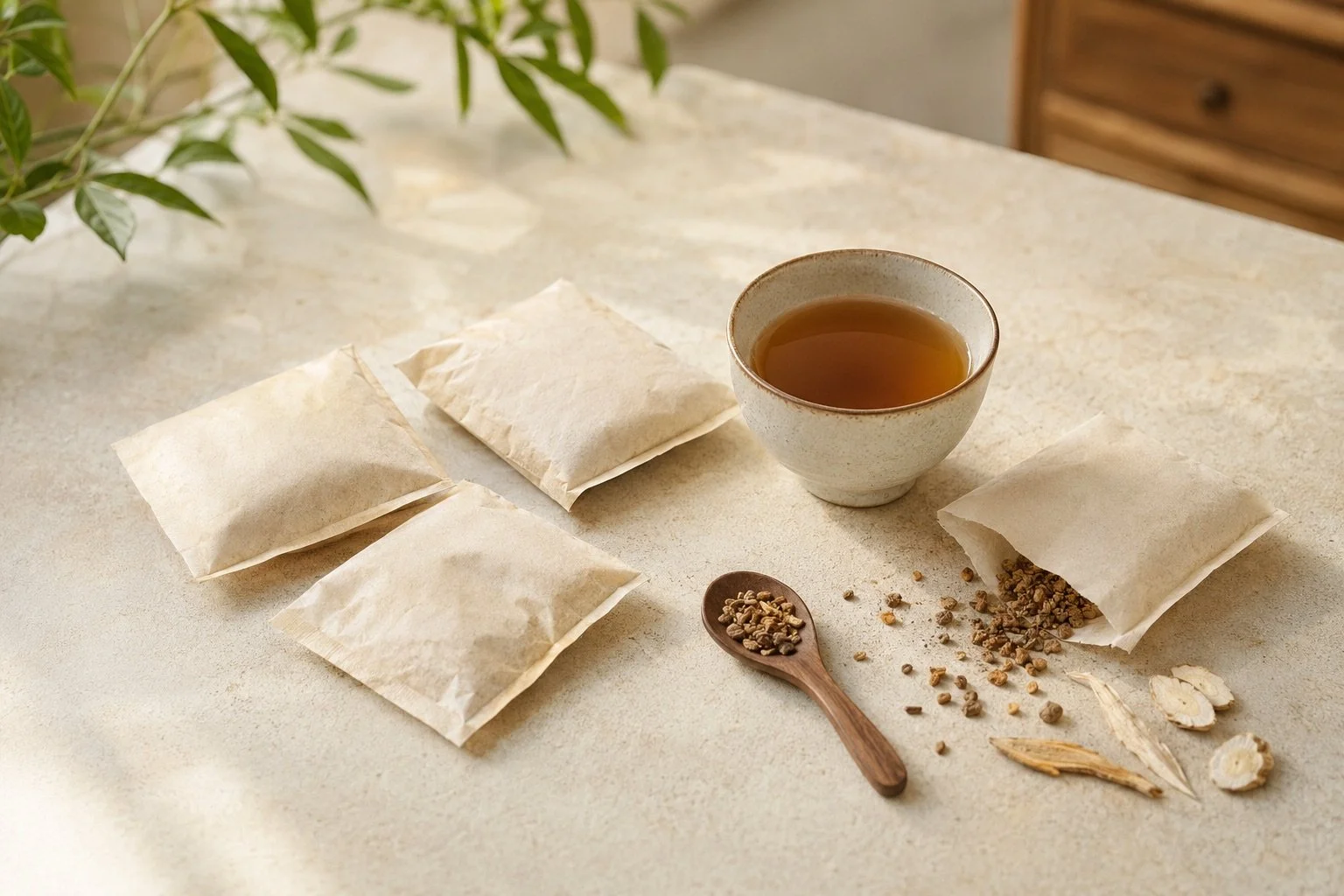
Where appropriate, Julie may discuss individually prescribed Chinese herbal medicine as part of your care.
There is no single herbal formula suitable for every woman experiencing perimenopause or menopause. A prescription is selected according to your symptoms, constitution, medical history and current health needs. Two women with similar hot flushes, for example, may require different approaches if one also experiences poor sleep and anxiety while the other experiences headaches, fatigue or digestive discomfort.