❋
Acupuncture for Endometriosis & Period Pain Adelaide
Acupuncture for Endometriosis and Period Pain in Adelaide
Period pain is common, but pain that regularly stops you from working, studying, sleeping, exercising or enjoying daily life deserves attention. Severe or worsening menstrual pain may be primary dysmenorrhoea, but it can also be associated with conditions such as endometriosis, adenomyosis, fibroids or pelvic inflammatory disease.
At Essential Acupuncture Clinic in Adelaide, acupuncture is offered as a complementary option for people seeking additional support with painful periods and endometriosis-associated pain. It is not a cure for endometriosis and does not replace assessment or treatment from your GP, gynaecologist, pelvic physiotherapist or fertility specialist.
Understanding period pain
Period pain, also called dysmenorrhoea, is usually felt as cramping or aching in the lower abdomen. It may spread to the lower back or thighs and can occur with nausea, bowel changes, headaches, fatigue or dizziness.
There are two broad types:
Primary dysmenorrhoea is period pain without an identified underlying pelvic condition. It is linked to prostaglandins, which cause the uterus to contract during menstruation.
Secondary dysmenorrhoea is period pain caused by another condition, such as endometriosis or adenomyosis. It may begin later in life, become progressively more troublesome, last beyond the first days of bleeding or occur at other times in the cycle.
You do not need to accept disabling pain as simply part of having a period. A medical assessment is important when pain is severe, changing or affecting your normal activities.
What is endometriosis?
Endometriosis is a chronic inflammatory condition in which tissue similar to the lining of the uterus grows elsewhere in the body, most commonly within the pelvis. It can be associated with inflammation, scarring and adhesions. Symptoms vary considerably, and the amount or stage of endometriosis does not always match the severity of pain.
Possible symptoms include:
painful periods that interfere with daily life
pelvic or abdominal pain between periods
pain during or after sex
pain with bowel movements or urination, particularly around menstruation
heavy periods or irregular bleeding
bloating, fatigue, nausea or lower-back pain
difficulty becoming pregnant
Research into the mechanisms of acupuncture is continuing, and individual responses to treatment vary.

How Acupuncture Helps Endometriosis & Period Pain
For women navigating the exhausting cycles of endometriosis and dysmenorrhea (severe period pain), acupuncture offers a deeply nurturing, drug-free pathway to relief. By merging advanced global master protocols with a precise understanding of pelvic anatomy, our specialised treatments target the root structural and inflammatory causes of menstrual distress.
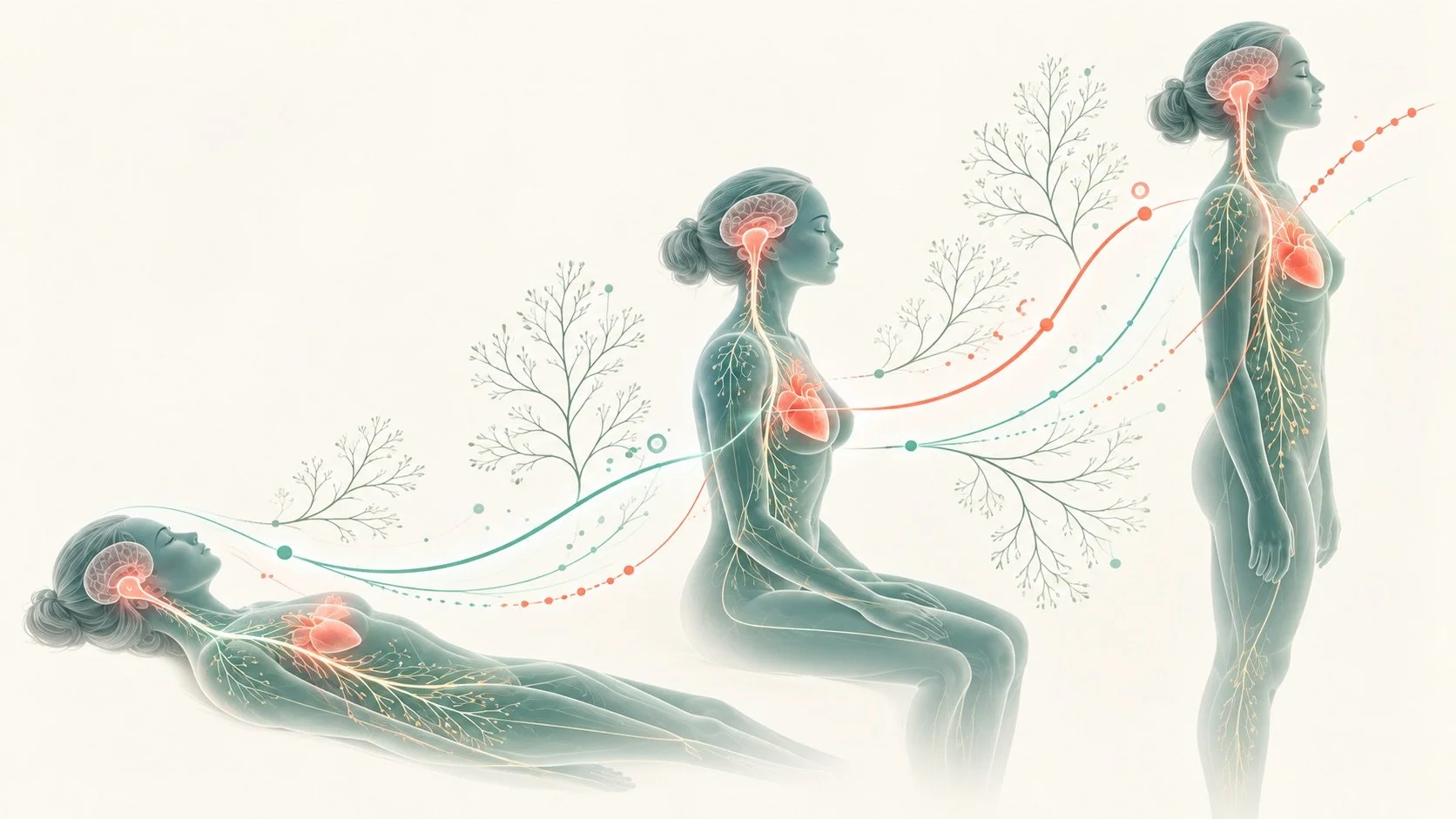
Within our safe, clinical environment, acupuncture provides profound relief through these key physiological benefits:
Within our safe, clinical environment, acupuncture provides profound relief through these key physiological benefits:
Deactivates Pelvic Pain Signals: Stimulates the nervous system to release endorphins—the body's natural painkillers—which blocks painful cramps and dulls chronic pelvic nerve sensitivity.
Reduces Systemic Inflammation: Downregulates pro-inflammatory cytokines and proteins associated with endometriosis lesions, helping to soothe localized tissue swelling and irritation.
Regulates Pelvic Blood Circulation: Counteracts the painful contractions of the uterine wall by promoting smooth, oxygen-rich blood flow to the pelvic organs, which resolves the "blood stasis" responsible for sharp, stabbing clots.
Balances Menstrual Hormones: Helps modulate the hypothalamic-pituitary-ovarian axis to support a smoother, more balanced hormonal transition throughout your monthly cycle.
Calms the Nervous System: Shifts your body out of a chronic "fight-or-flight" stress state into a healing, parasympathetic state, which reduces the emotional exhaustion, anxiety, and fatigue brought on by chronic pain.

The Synergistic Power of Chinese Herbal Medicine
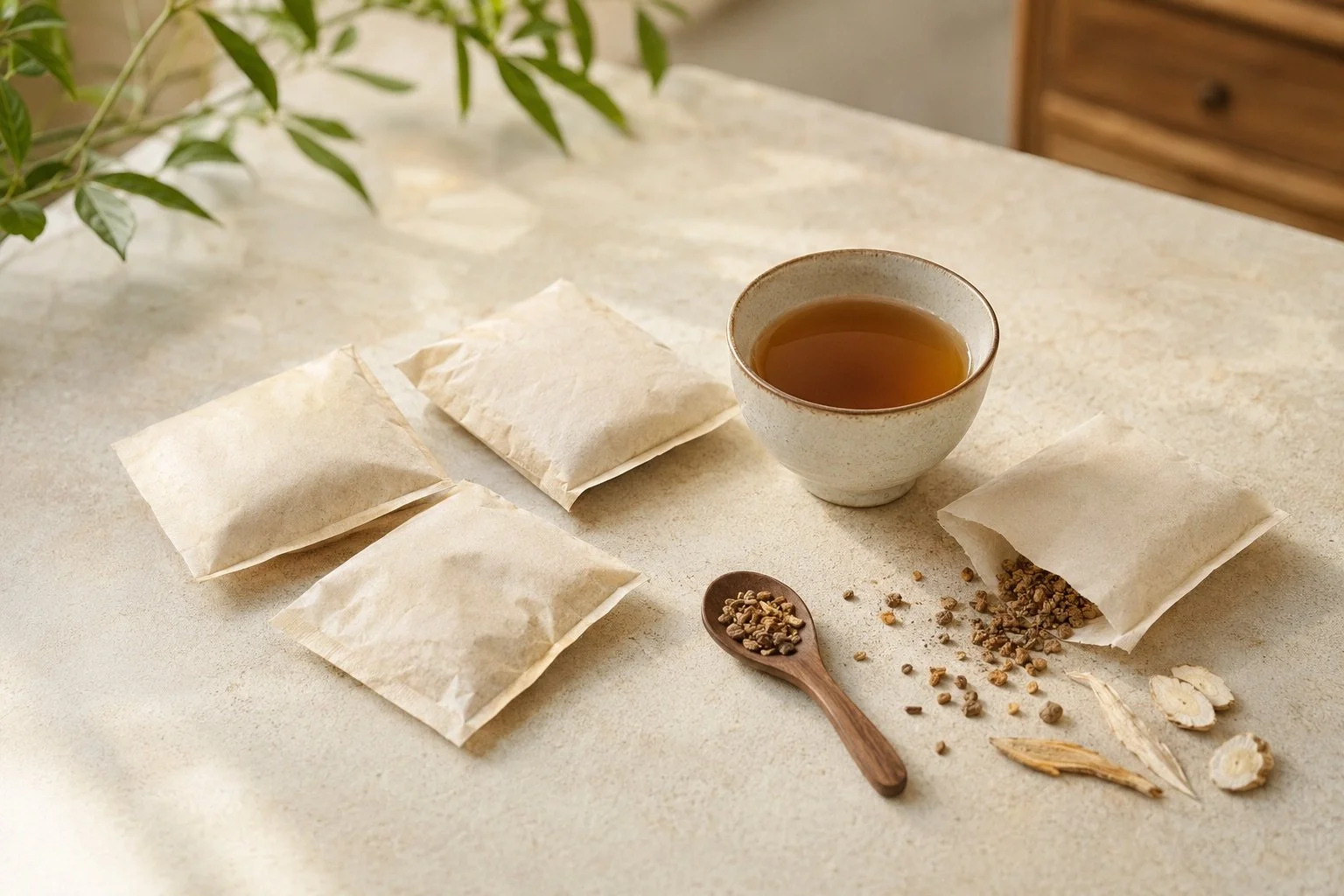
To deliver the most comprehensive care possible, we frequently pair our acupuncture sessions with individually prescribed, medical-grade Chinese Herbal Medicine. While acupuncture dynamically regulates your nervous system and improves immediate pelvic circulation during your clinical visits, tailored herbal formulas work continuously at home. These natural formulas focus on nourishing your Yin, breaking down internal blood stasis, and regulating hormone metabolism between your cycles.
The Clinical Evidence
We believe in medicine that is fully transparent and evidence-based. The physiological benefits of our specialized protocols are well-documented across major international clinical trials:
Significant Pelvic Pain Reduction: A large-scale 2024 meta-analysis published in PubMed Central (PMC11393010) reviewed 14 randomized controlled trials and confirmed that acupuncture significantly reduces the severity of endometriosis-associated pelvic pain and decreases inflammatory serum protein markers (CA-125).
Shortened Pain Duration & Better Mood: A multicentre, randomized controlled trial published in PubMed (PMID: 36716811) demonstrated that targeted clinical acupuncture significantly shortens the physical duration of menstrual pain while simultaneously improving depression and overall mood profiles for women with endometriosis.
The Anti-Inflammatory Mechanism: Comprehensive medical mapping published in PubMed Central (PMC8664518) outlines how acupuncture delivers targeted analgesia for menstrual pain by safely downregulating peripheral inflammatory mediators and blocking the cellular pathway (NF-κB) that drives painful pelvic cramping.
Acupuncture Combined with Herbs: Clinical research published in PubMed (PMID: 41179906) tracked 16 randomized controlled trials and proved that combining acupuncture with Chinese Herbal Medicine significantly increases total clinical efficacy rates and drops baseline pain scores much further than utilizing herbal therapy alone.

What treatment involves at Essential Acupuncture Clinic
Your first appointment begins with a detailed consultation. Julie will ask about:
the timing, location and character of your pain
your menstrual cycle, bleeding pattern and associated symptoms
any diagnosis of endometriosis, adenomyosis, fibroids or other pelvic condition
medications, hormonal treatment, previous surgery and other current care
bowel, bladder, sleep, stress and energy symptoms
whether pregnancy or fertility treatment is currently a priority
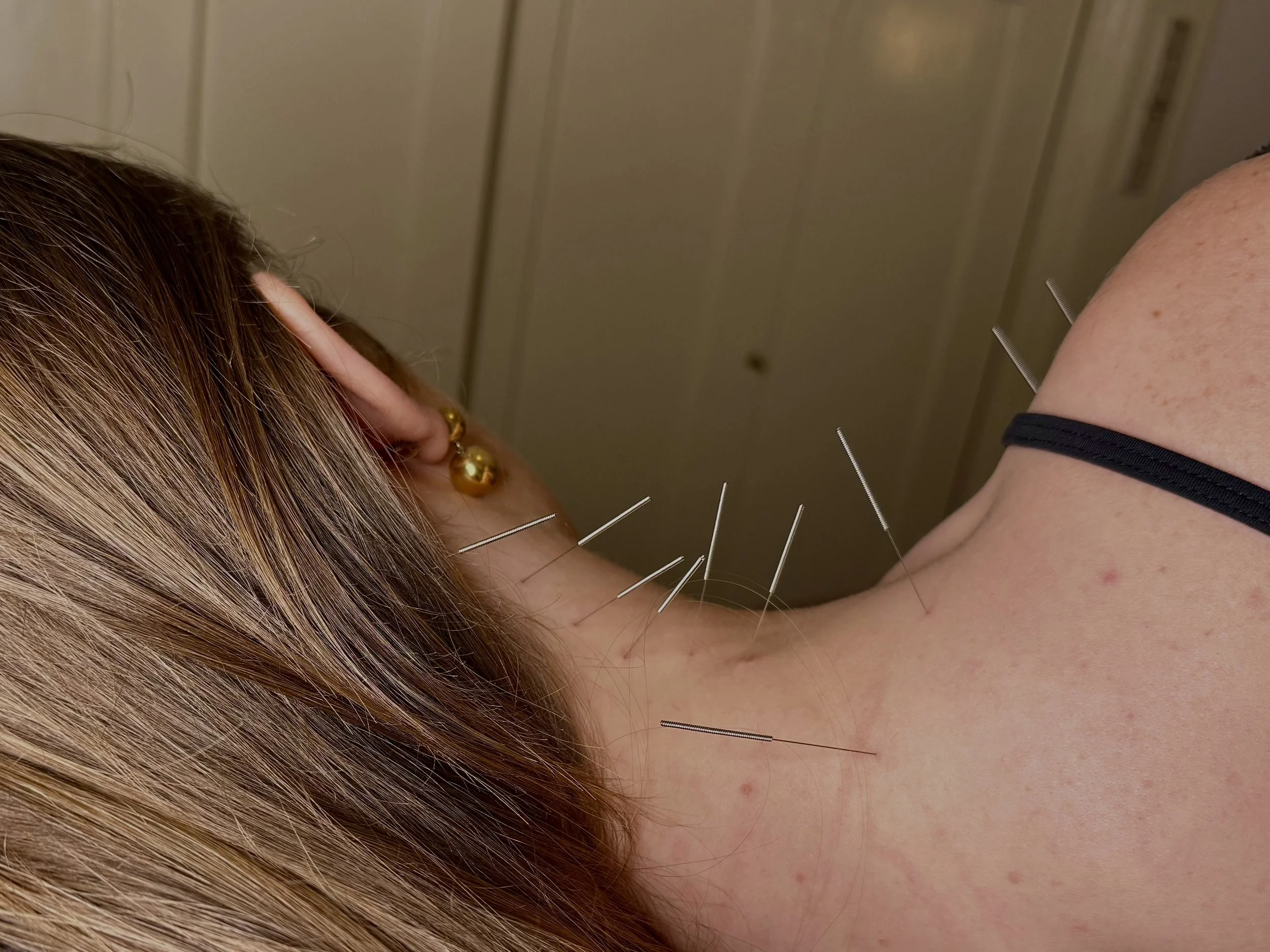
Treatment is individualised rather than based on one standard point prescription. Acupuncture points on the abdomen, lower back, legs, arms or ears may be considered according to your presentation and comfort. Needles are sterile, single-use and usually retained while you rest.
The number and frequency of appointments are discussed after your assessment and reviewed according to your response. Progress may be tracked using pain scores, medication use, sleep, bleeding-related disruption and your ability to work, exercise or complete daily activities. Continuing treatment only makes sense when it is providing meaningful benefit.
Chinese Herbal Medicine for Menopause Support
Where appropriate, Julie may discuss individually prescribed Chinese herbal medicine as part of your care.
There is no single herbal formula suitable for every woman experiencing perimenopause or menopause. A prescription is selected according to your symptoms, constitution, medical history and current health needs. Two women with similar hot flushes, for example, may require different approaches if one also experiences poor sleep and anxiety while the other experiences headaches, fatigue or digestive discomfort.
Take an hour away from your busy day to rest, breathe and receive personalised care in a calm and welcoming environment.

Why Choose Essential Acupuncture Clinic?
Julie is an AHPRA-registered acupuncturist and Chinese medicine practitioner with many years of clinical experience. She offers respectful, compassionate care for women seeking additional support during perimenopause, menopause and postmenopause.
At Essential Acupuncture Clinic, you can expect:
Personalised acupuncture rather than a standardised treatment
A caring and holistic approach to your health
Time to discuss both physical and emotional symptoms
A calm, private and nurturing treatment environment
Care that considers sleep, stress, energy, pain and general wellbeing
Individually prescribed Chinese herbal medicine where appropriate
Consideration of your medicines and existing medical care
Regular review of your progress and treatment plan
Frequently asked questions
Can acupuncture cure endometriosis?
No. There is currently no evidence that acupuncture cures endometriosis or removes endometriosis lesions. It may be considered as a complementary option for short-term support with pain and quality of life.
Can acupuncture help ordinary period pain?
Research on acupuncture for primary dysmenorrhoea suggests possible benefit, but study quality and treatment methods vary. Severe, new or worsening period pain should be medically assessed rather than assumed to be primary dysmenorrhoea.
Can acupuncture shrink endometriosis lesions or ovarian endometriomas?
This has not been established. Imaging, medical treatment and surgical decisions should be managed with your GP or gynaecologist.
Can acupuncture improve fertility in people with endometriosis?
Current evidence does not establish that acupuncture improves pregnancy or live-birth rates in people with endometriosis. If fertility is a priority, care should involve a GP, gynaecologist or fertility specialist. Acupuncture may be discussed separately as supportive care for symptoms and general wellbeing.
When should I begin treatment?
You can begin at any stage of your cycle. The timing and frequency of appointments are personalised after your consultation. Bringing a cycle and symptom record can make it easier to identify patterns and assess whether treatment is helping.
Is acupuncture safe?
When performed by a suitably qualified registered practitioner, acupuncture is generally considered low risk. Temporary soreness, small bruises, light-headedness or tiredness can occur. Julie will review your health history and explain any precautions relevant to you.